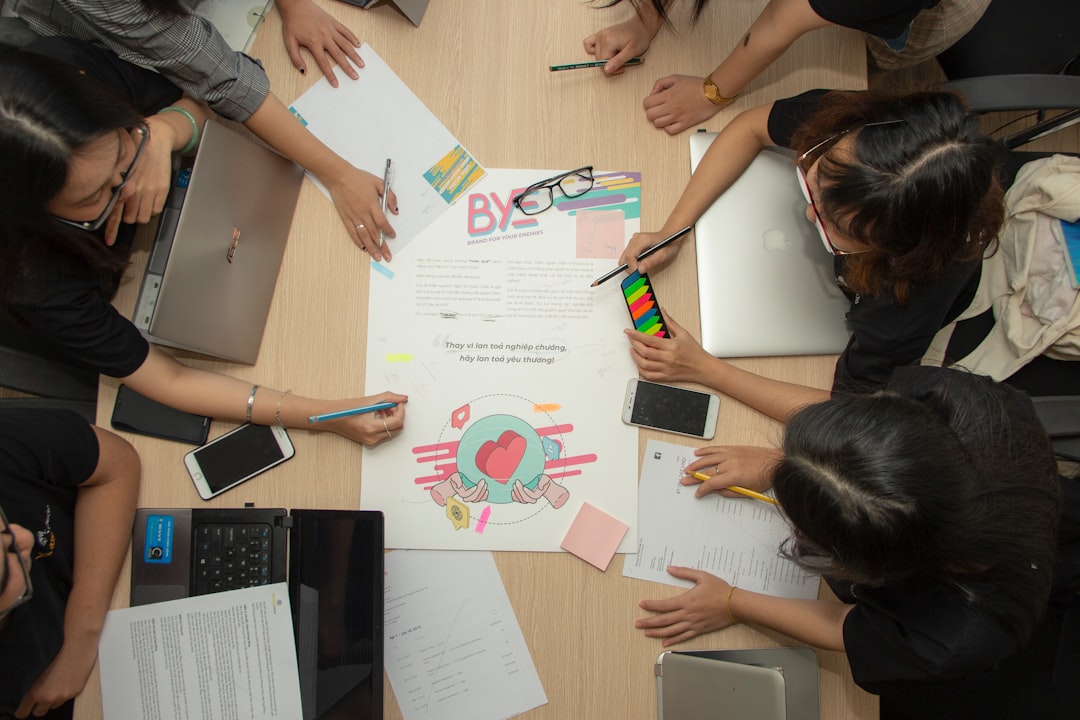
Building a Creative Culture: Innovation and Collaboration in Design
Creativity doesn't happen in isolation. As a design agency, we've learned that fostering a vibrant creative culture is the foundation of exceptional work. This comprehensive guide explores how we build environments where innovation thrives and collaboration becomes second nature.
The Importance of Creative Culture
A strong creative culture isn't a luxury—it's a competitive advantage. In an industry where ideas are currency, the ability to consistently generate innovative solutions determines success.
Benefits of Strong Creative Culture
- Higher quality output through diverse perspectives
- Increased employee satisfaction and retention
- Faster problem-solving through collaborative approaches
- Greater client satisfaction from breakthrough solutions
Establishing Psychological Safety
The foundation of any creative culture is psychological safety—the assurance that team members can take risks without fear of negative consequences.
Creating Safe Spaces
- No-judgment brainstorming sessions
- Failure celebration frameworks
- Open feedback mechanisms
- Inclusive communication practices

Our design agency implements regular "failure forums" where team members share lessons learned from unsuccessful projects.
Diverse Perspectives and Inclusion
Creativity flourishes when different backgrounds, experiences, and viewpoints intersect. Building diversity and inclusion into your culture amplifies creative output.
Diversity Strategies
- Cross-functional teams combining different skill sets
- Inclusive hiring practices beyond traditional design backgrounds
- Cultural exchange programs and global collaborations
- Accessibility-focused design thinking
Structured Creativity Processes
While creativity appears spontaneous, successful agencies implement structured processes that reliably generate innovative ideas.
Proven Methodologies
- Design thinking workshops with clear stages
- SCAMPER technique for idea modification
- Mind mapping sessions for complex problems
- Rapid prototyping cycles for quick iteration

Technology and Tools Support
Modern creative cultures leverage technology to enhance collaboration and streamline workflows.
Essential Tools
- Digital whiteboards for remote brainstorming
- Project management platforms for transparency
- Design systems for consistent creative output
- Feedback platforms for continuous improvement
Leadership's Role in Creative Culture
Leadership sets the tone for creative culture. The behaviors and attitudes of agency leaders profoundly influence team dynamics.
Leadership Practices
- Lead by example demonstrating creative risk-taking
- Resource allocation for creative experimentation
- Recognition systems celebrating innovative contributions
- Continuous learning investment in team development
Measuring Creative Culture Success
What gets measured gets managed. Successful agencies establish metrics to track and improve their creative culture.
Key Metrics
- Innovation output measured by new ideas generated
- Client satisfaction scores for creative deliverables
- Employee engagement surveys focused on creativity
- Project success rates for innovative initiatives
Overcoming Common Challenges
Building creative culture isn't without obstacles. Recognizing and addressing these challenges is crucial for long-term success.
Common Pitfalls
- Perfection paralysis preventing idea sharing
- Hierarchical barriers stifling junior voices
- Time pressure limiting creative exploration
- Resource constraints hindering experimentation
The Future of Creative Culture
As remote work and AI technologies evolve, creative cultures must adapt while maintaining their core values.
Emerging Trends
- Hybrid collaboration models blending physical and digital spaces
- AI-augmented creativity using tools to enhance human imagination
- Global creative networks connecting talent worldwide
- Sustainable creativity balancing innovation with environmental responsibility
Conclusion
Building a creative culture is an ongoing journey that requires commitment, patience, and continuous adaptation. At our design agency, we view creative culture as our most valuable asset—one that enables us to deliver extraordinary results for our clients.
Ready to transform your agency's creative culture? Let's explore how our experience can help you build a more innovative and collaborative environment.
This article is based on our agency's 15+ years of experience building and sustaining creative cultures across diverse teams and projects.